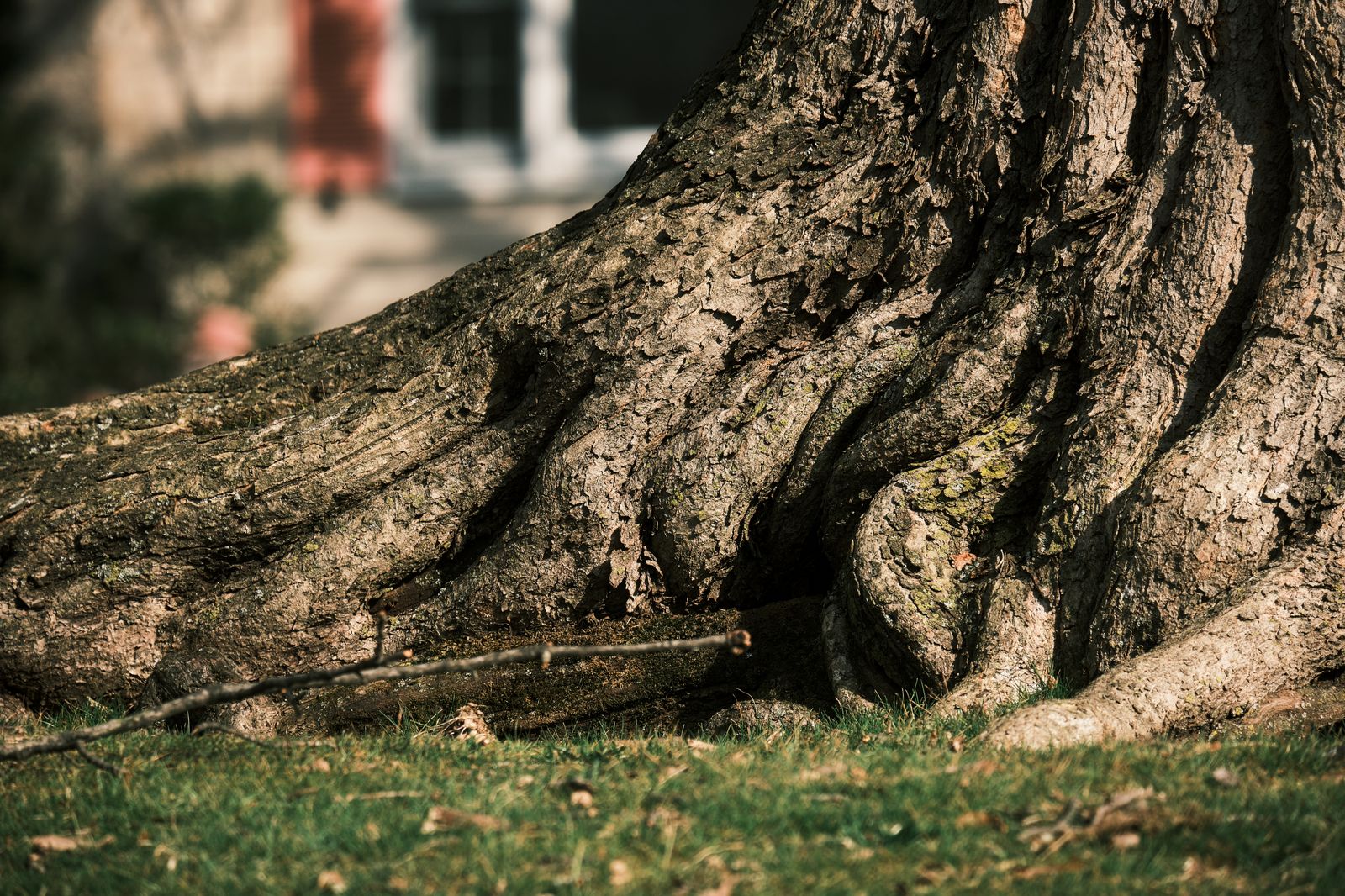
Tree roots in a sewer line in Novato are one of the most common reasons a lateral fails, especially on older lots with mature trees. Roots do not crush a healthy pipe. They exploit small gaps at joints and cracks, then grow into the line and catch whatever flows through.
The result is a slow drain that turns into a backup. This page explains how roots get in, how to tell they are the problem, what cutting and jetting can and cannot do, and when the pipe itself needs repair.
How roots get into a sewer line: joints, cracks and moisture
A sewer lateral is a warm, moist, nutrient-rich pathway, and a root tip will grow toward any moisture it detects. Where a clay joint has shifted or a crack has opened, even a hair-thin root can enter. Root intrusion sewer pipe problems usually start at a joint, where small amounts of moisture escape.
Once inside, it thickens and branches into the flow. Over time it forms a net that snags paper and grease, so root intrusion in a sewer pipe is both a blockage and a symptom of a pipe defect.
Signs of roots in the sewer lateral
Roots rarely announce themselves, but several patterns point toward them. Roots in sewer lateral pipes often announce themselves as slow drains first, then repeat clogs.
- A main-line clog that returns every few months after being cleared
- Slow drains and gurgling toilets that improve for a while after cleaning
- Roots pulled out on the cable during a previous service
- A sunken or unusually green strip of lawn over the sewer path
- A large tree or hedge close to where the line runs

Cutting roots out of a sewer line: what jetting and cabling can do
A cable with a cutting head, or a hydro-jetter, can clear roots from the pipe and restore flow. For a line that is otherwise sound, it can be a reasonable way to buy time. Cutting roots out of sewer line runs restores flow, but it is a clearing step and not a repair.
It does not repair anything, though. The gap the roots used is still there, and fresh roots follow. Treating a cutting visit as a permanent fix is how the same backup returns every year.
| Method | What it does | What it does not do |
|---|---|---|
| Cable with cutting head | Cuts roots to restore flow | Seal joints or repair cracks |
| Hydro-jetting | Scours the pipe wall and clears debris and roots | Fix a sag or a broken section |
| Lining or spot repair | Seals the entry point after roots are cleared | Stop roots growing toward the pipe |
If roots keep coming back, the next step is a look at the pipe.
Describe the problem, we will connect youWhen roots mean the pipe itself needs repair
If the camera shows roots entering at several joints, a cracked section or a pipe that is losing its shape, clearing alone will not hold. At that point the options are a spot repair of the damaged section, lining to seal the joints or replacement of the run.
Older clay and cast iron are the usual cases, which is why clay sewer pipe replacement and lining often come up in the same conversation as roots. If the line has already backed up, sewer backup covers what to do first.
Trees near the sewer line on Novato lots
Novato is a leafy city, and many lots have mature trees near the house, along the street or beside the driveway. Any large tree whose roots reach the sewer path can be a source, and it does not need to be right on top of the line.
Removing a tree is a big decision and not always necessary. If you are weighing it, get the camera findings first so you know whether roots are even the cause, and consult a tree professional about the tree itself.
Keeping roots out after the repair: general guidance without promises
After a root problem is fixed, a few habits help. Keep the cleanout accessible, schedule an inspection if the line has been a repeat offender, avoid planting thirsty species close to the sewer path and keep grease out of the drains.
Chemical root-killing products are a common question. Many technicians prefer mechanical clearing and repair, and you should ask the pro on the phone what they recommend for your pipe. A repeat inspection after some time is the most reliable way to check that the repair is holding. A new sewer cleanout installation makes both that check and any future clearing easier.
Questions to ask the technician about roots
A root problem is a good moment to ask direct questions. Where did the roots enter, and how many joints are affected? Is the pipe wall damaged around the entry point, or only the joint? What happens if the roots are cleared and nothing else is done?
Ask also what the plan would be if the roots return, so you are not surprised later. A straightforward pro will say that a repeat is likely on a pipe with several open joints, and will lay out the choices for sealing them. You should leave knowing whether you are buying time or fixing the cause.
Roots and Novato homes
Mature trees and mid-century lots go together in much of Novato. In neighborhoods such as sewer line repair in Lynwood, tract-era laterals are often vitrified clay or cast iron with plenty of joints, and trees planted decades ago are now large. In sewer line repair in Loma Verde, homes sit beside open space and the landscaping can be mature as well.
Newer construction generally uses ABS or PVC with fewer joints, which tends to be harder for roots to enter, but no pipe is immune if it has a defect. Treat these as tendencies by era, and let the camera confirm what your own line looks like. Whether you need only clearing or a repair, sewer camera inspection is the way to find out.