Repair work on a sewer line in Pleasant Valley usually starts with a homeowner who has already had the main line cleared once and is now watching the same drain slow again. On quiet streets lined with mature trees, that pattern points to a pipe problem underneath rather than a one-time clog.
Single-story homes on quiet streets
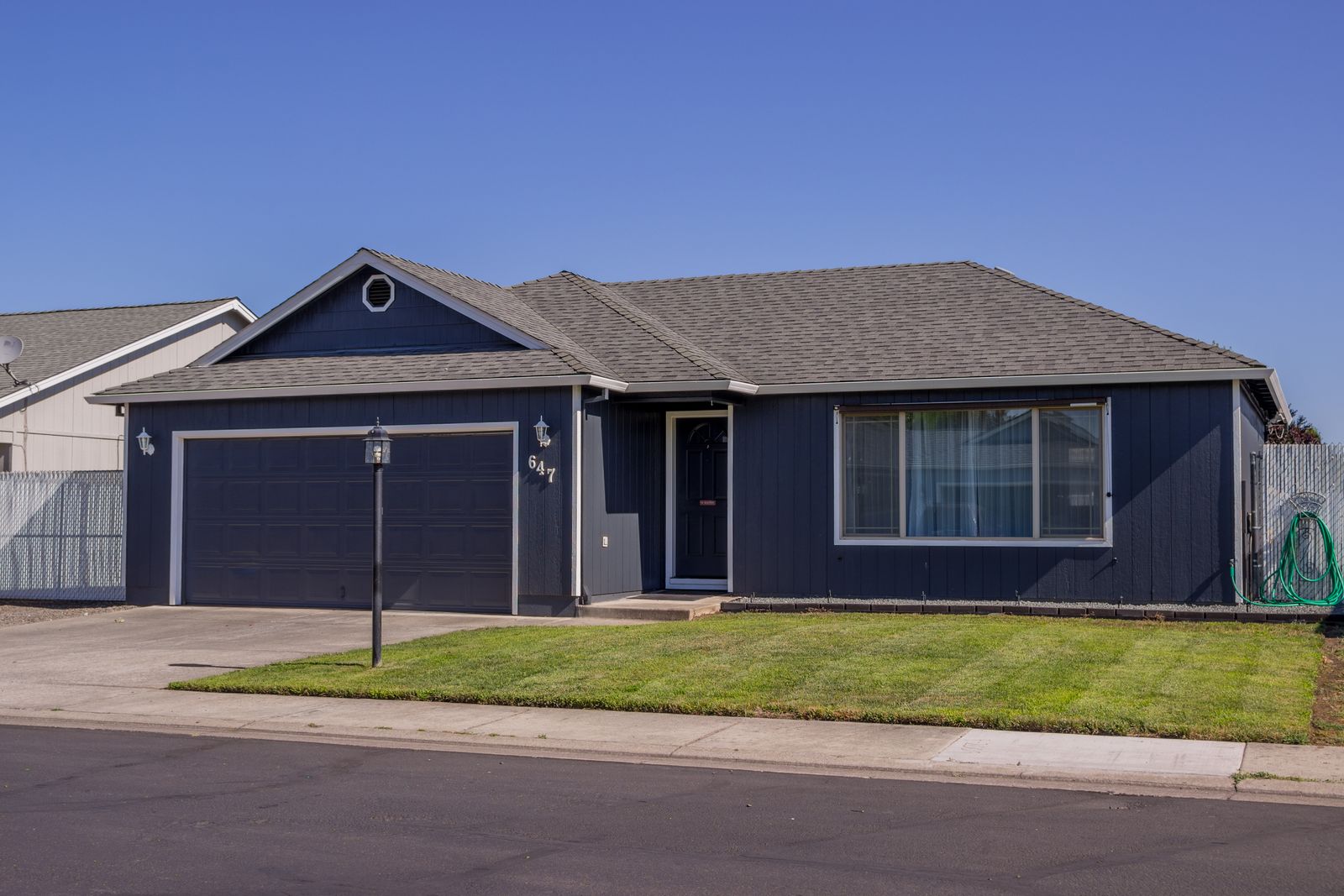
Pleasant Valley is a west Novato neighborhood. Public listings for the area describe mostly single-story and low-profile family houses, many from the 1950s to the 1970s, on streets that are often cul-de-sacs or other non-through roads.
The single-story layout has a direct effect on plumbing. With every fixture on one level, the house drains along one or two branch lines that join close to the main lateral, so a problem in the lateral shows up quickly across several fixtures at the same time.
Lot sizes in this part of town are comfortable, and many houses have a good amount of yard around them. That makes room for mature trees, including ones that were planted when the house was built. Some streets back onto open ground or trail access, which brings more plantings along the edges.
Houses of that age are the ones most likely, in general, to have vitrified clay or cast iron laterals, though a remodel or repair may have changed that. The only way to know is to look.
Camera inspection in Pleasant Valley: finding the repeat cause
A single-level house usually has one clean exit for the sewer, so the technician starts by finding it and checking whether a cleanout was added. They ask how often the line has needed clearing and when it last got a camera.
The camera shows the material, the joints and any bellies. The technician then traces the line to see how close it passes to the trees you have named. A pattern such as roots at every second joint indicates that lining or replacing a section will outlast repeated cutting.
The pro lays out choices. Where clay is still intact, trenchless sewer repair may come into play, and where the footage shows roots on repeat, the discussion moves to sealing joints instead of cutting again. A sewer camera inspection gives you the video to take that decision with. For camera inspection, Pleasant Valley cul-de-sacs are no different from other streets, but a repeat clog is a good reason to look.
Why the same clog returns in Pleasant Valley
A typical case is a clay lateral with roots at several joints. The clog gets cleared, the line works for a few months and then slows again as the roots regrow. Another is a belly in a long run where fill beneath the pipe has settled.
Cul-de-sac layouts add a small twist: the street main may run only a short distance, and the lateral from each house angles toward it. Bends in a lateral slow the flow and give debris a place to rest.
- Root entry at several clay joints
- A belly in a longer run of pipe
- Bends and transitions that hold debris
Had the same main-line clog cleared more than once? It may be time to look at the pipe itself.
Describe the problem, we will connect youSewer line replacement in Pleasant Valley: what to say on the call
Dial and a person answers. They will ask what the drains are doing, how often it has happened and what you already tried. Then you are connected with a technician who covers west Novato, the same day where available.
You leave the visit knowing what is in the pipe, what the options are and what each involves before you agree to any of it. The upfront price is stated before work begins. For sewer line replacement, Pleasant Valley single-story houses still need the footage first.
Practical notes for cul-de-sac homeowners
With homes of this era, one of the most useful things you can do is learn where your cleanout is and keep it clear. If none exists, ask about adding one the next time a technician is on site, since it turns every later visit into a short one.
Pay attention to the pattern of the symptoms. If every fixture in the house slows at once, the lateral is the likely culprit. If only the kitchen is slow, a branch line may be involved, which is a different and often simpler job.
Think about the age of your plumbing generally. A house that has had its fixtures renovated may still have its original lateral, and updating one does not mean the other has been touched.
Finally, keep the line itself in mind when you plan landscaping. Large shrubs and new trees look good for years, and the sewer path is a much less visible consideration, so mark it on a simple sketch and keep that sketch where you will find it.
If your street ends in a cul-de-sac, mention that too. The geometry of a short street affects where the public main runs and how the laterals meet it, which helps the technician anticipate the angle of the connection on camera.
If a previous owner mentioned any sewer work, pass that on as well. Even a vague memory of a repair near the street gives the technician a place to look first.
A last habit worth building is a yearly glance at the drains: note whether any fixture has become slower than it was last season, because an early change in how the line behaves is far easier to act on than a full backup.
More pages near Pleasant Valley
Pleasant Valley sits in west Novato, not far from Lynwood and Indian Valley. For a different housing pattern, see sewer line repair in Downtown Novato on the older side of town, or sewer line repair in Hamilton in the planned community to the south. If roots keep coming back, tree roots in sewer line explains what a lasting fix looks like. The citywide guide is sewer line repair novato.